

The beckoning Cat in Lucky Neko changes the multiplier that applies to a win. Each Cat symbol adds two to the multiplier before the game pays the result. The rule applies in the main game and during free spins. This hawkplay walkthrough shows how to read the increase, which number to use in the payout calculation and where to look when the screen shows several values at once.
Start with the Multiplier Already on Screen
The useful number is the multiplier after the Cats have been counted. One Cat adds two, two Cats add four and three Cats add six. For example, an existing 4× display that receives two Cat increases would move to 8×. Each increase adds to the current value, so you can read the total directly once the animation finishes.
| Cats counted | Added to the multiplier | Example if the current multiplier is 4× |
|---|---|---|
| 1 | +2 | 6× |
| 2 | +4 | 8× |
| 3 | +6 | 10× |
Follow the Win Amount Through the Animation
Suppose the game has a win worth 12 in the displayed currency before applying the Cat multiplier. If the updated multiplier is 6×, the example amount becomes 72. The reel combination supplies the win amount, and the multiplier scales that amount. The hawkplay example uses round figures so you can follow the same steps when the in-game win banner changes.
Read the Bonus Screen One Number at a Time
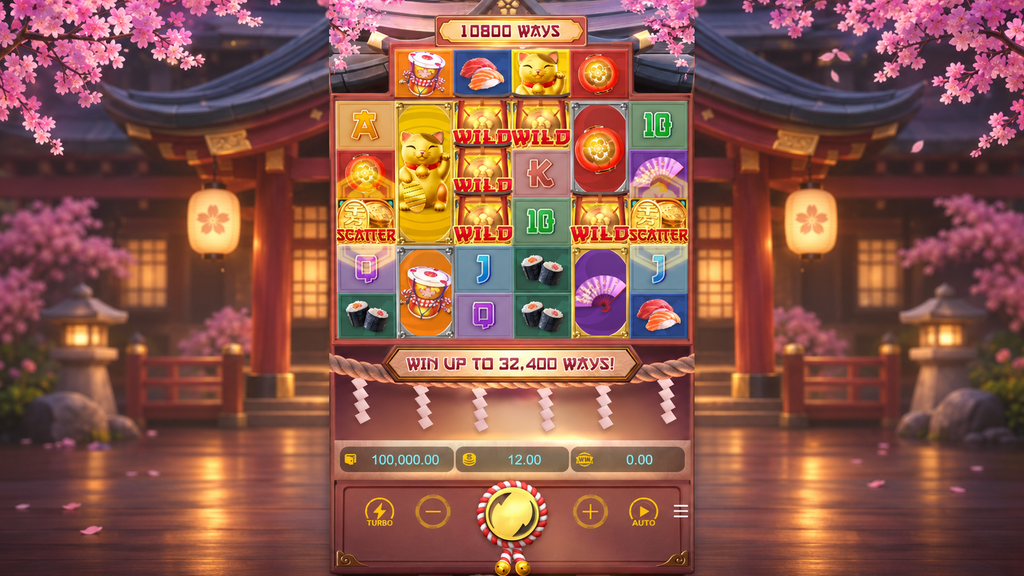
During free spins, the screen can show a multiplier, the spins remaining and a win amount in the same view. Start by checking the multiplier when the Cat appears. Then look at the win display after the result is applied. For hawkplay readers reviewing a bonus screenshot, those two readings help explain how the Cat animation relates to the amount shown below the reels.
Cat, Scatter and Wild Have Separate Roles
A Cat changes the multiplier. A Scatter counts toward free spins. A Wild helps complete an eligible regular combination. Each icon can draw attention during a cascade, so identify which one is on screen before interpreting the result. The easiest way to use this hawkplay guide is to follow the Cat first, then read the new multiplier and the resolved win in that order.