
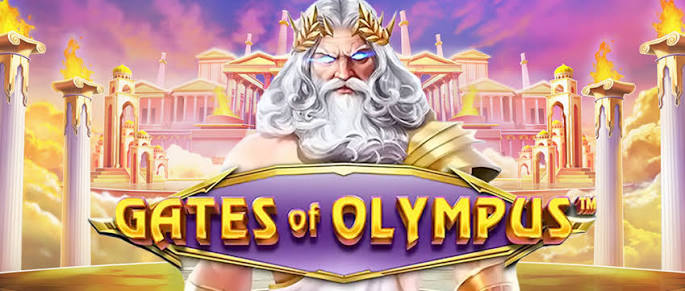
Gates of Olympus combines a reported 96.6% RTP with high volatility. These two figures describe different aspects of a slot, and understanding the difference helps players set realistic expectations.
For a reader comparing games on hawkplay, RTP is a long-run mathematical measure. It is not a promise that an individual session will return 96.6% of the amount wagered.
What the Numbers Describe
| Measure | Figure in the supplied game description | What it means |
|---|---|---|
| RTP | 96.6% | Theoretical return across extensive play |
| Volatility | 5 out of 5 | Results can vary sharply between sessions |
| Maximum win | 5,000x stake | Advertised upper limit for a single spin |
Different versions or configurations of a slot may display different settings. Open the information or paytable screen on hawkplay to check the figures shown for the exact game you are viewing.
Why High Volatility Matters
A high-volatility game may have fewer rewarding results in one stretch and a much larger result in another. Neither pattern allows a player to forecast when a bonus will appear. It does mean that a short session can feel very different from the theoretical RTP.
Suppose you set a fixed entertainment budget. A smaller stake allows more spins within that amount; a larger stake uses the same budget more quickly. Changing the stake does not make a Scatter trigger due to arrive.

Plan Before You Spin
Choose the maximum you are willing to spend and check the minimum stake. Decide how long you want to play, then select a bet that fits both limits. If the game’s swings feel uncomfortable, a lower-volatility title may be a better fit.
On hawkplay, read the paytable and any available game information before interpreting RTP or maximum-win claims. These numbers are helpful descriptions of game design, but your actual result remains uncertain. Use them to make an informed choice about whether Gates of Olympus suits your session on hawkplay.